
Custom Home vs. Production Home: Which One Is Right for You?
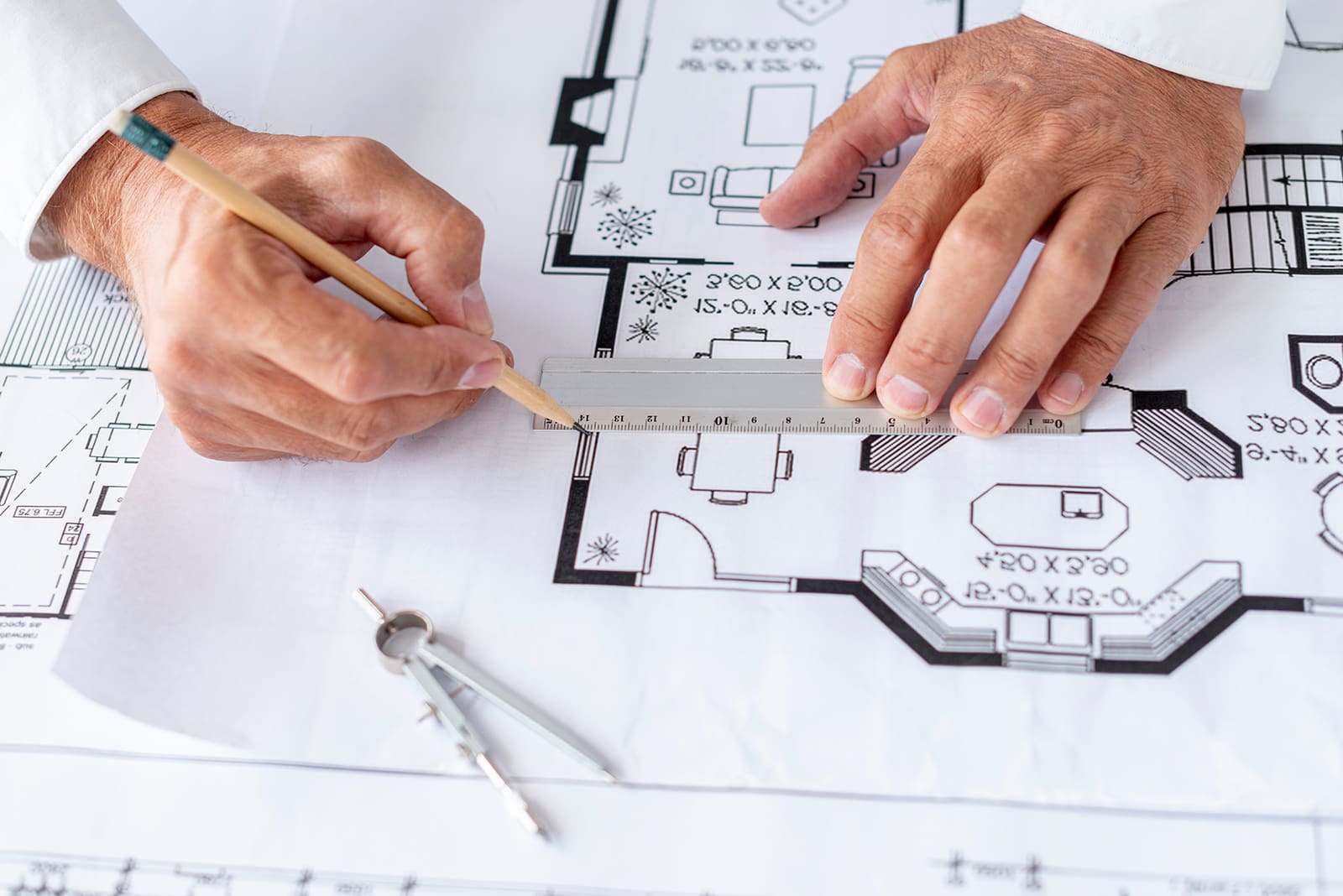
Choosing between a custom home and a production home depends on what matters most to you: personalization, budget, timeline, location, and how much involvement you want in the homebuilding process. A custom home is generally the better choice if you want greater control over the design, layout, features, and finishes of your home. A production home may be the better option if you prefer a more streamlined process, a predictable timeline, and an established selection of floor plans and design options.
Neither option is automatically better for every buyer. The right choice depends on your lifestyle, priorities, and long-term goals. Understanding the differences between custom and production homes can help you make a more confident decision before starting your homebuilding journey.
At Jewel Homes, buyers have opportunities to explore thoughtfully designed communities, floor plans, and personalized homebuilding options. Whether you are interested in building within a community or creating a home on your own property, understanding your options is an important first step.
What Is a Custom Home?
A custom home is built specifically around the homeowner’s preferences and requirements. Depending on the level of customization, you may have significant input into the home’s layout, architectural style, finishes, features, and functionality.
For example, you may be able to choose:
- The overall home layout
- The number and size of bedrooms
- Kitchen configuration
- Bathroom features
- Storage solutions
- Flooring and countertops
- Cabinet styles
- Lighting fixtures
- Exterior materials
- Outdoor living spaces
- Energy-efficient and smart home features
Custom homes are particularly appealing to buyers who have specific needs that may not be fully addressed by a standard floor plan.
For families planning for long-term living, customization can also make it easier to design spaces around changing lifestyle needs. A homeowner may want additional bedrooms, flexible living spaces, or a layout that supports multiple generations living under one roof.
You can learn more about home designs and options available through Jewel Homes by exploring the Jewel Homes collections.
What Is a Production Home?
A production home is built using a selection of pre-designed floor plans that a builder has developed for a community or multiple communities. Buyers typically choose from available home designs and may be able to select certain finishes, upgrades, and features.
Rather than designing every aspect of the home from the ground up, buyers begin with an established floor plan.
Production homes often provide options such as:
- Multiple floor plan choices
- Different elevations
- Finish selections
- Flooring options
- Cabinet choices
- Countertop upgrades
- Appliance packages
- Lighting options
- Additional rooms or structural upgrades
The level of customization varies depending on the builder and community. Some production homes offer extensive design choices, while others provide more limited options to help maintain consistency and efficiency throughout the construction process.
If you want to compare different layouts and home designs, you can explore Jewel Homes available floor plans.
Custom Home vs. Production Home: The Biggest Differences
While both custom and production homes can result in a beautiful, high-quality place to live, the homebuilding experience can be very different.
The main differences usually involve customization, cost structure, construction timeline, location options, and buyer involvement.
1. Design Flexibility
The biggest advantage of a custom home is flexibility.
A custom home allows you to make decisions based on how you and your family actually live. Instead of adjusting your lifestyle to fit an existing floor plan, you can potentially design the home around your needs.
For example, you may want:
- A larger kitchen for entertaining
- A dedicated home office
- Extra storage
- A larger primary suite
- A multi-purpose room
- A three-car garage
- A covered outdoor living area
- Separate living spaces for family members
Production homes provide less flexibility because the main structure and layout have already been designed. However, this does not necessarily mean you have no choices. Many buyers appreciate having a professionally designed selection of floor plans because it simplifies the decision-making process.
Best for maximum personalization: Custom home
Best for a simpler design selection process: Production home
2. Your Level of Involvement in the Building Process
Building a custom home often requires greater involvement from the homeowner.
You may spend more time making decisions related to the layout, finishes, materials, and features. For buyers who enjoy the design process and want more control, this can be an exciting experience.
However, more choices can also mean more decisions.
A production home generally provides a more structured process. Instead of choosing every aspect of the home, you select from predetermined options. This can make the experience easier for buyers who want professional guidance without managing a large number of design decisions.
The right option depends on whether you want a highly personalized experience or a more straightforward path to homeownership.
3. Budget and Cost Predictability
Budget is one of the most important factors when choosing between a custom home and a production home.
Production homes may offer greater cost predictability because the builder already has established floor plans, construction processes, and material requirements. Buyers can often start with a base home price and add upgrades based on their preferences.
Custom homes may involve a wider range of costs because every project can be different. The final price may depend on factors such as:
- Home size
- Architectural complexity
- Materials
- Custom features
- Land conditions
- Site preparation
- Utility connections
- Design selections
Customization can provide more flexibility, but it is important for buyers to establish a realistic budget early in the process.
Regardless of which type of home you choose, it is helpful to understand what is included in the base design and which features may be considered upgrades.
Jewel Homes emphasizes thoughtful design and quality standards throughout the homebuilding process. Learn more about the features and expectations behind The Jewel Standard.
4. Construction Timeline
Production homes can often provide a more predictable construction timeline because the builder is already familiar with the floor plan and construction process.
Many materials and construction steps have already been standardized, which can help streamline the building process.
Custom homes may take longer because the design and planning stages can require additional time. Unique architectural details, specialized materials, and customized features may also affect the construction schedule.
That does not mean every custom home will take significantly longer, but buyers should understand that greater personalization can add complexity.
If your priority is moving into a new home as efficiently as possible, a production-style building process may be appealing. If your priority is creating a home that is highly tailored to your needs, you may be more comfortable investing additional time in planning and customization.
5. Location and Land Options
Another major difference is where you can build.
Production homes are commonly built within planned communities where the builder has available homesites. This can be appealing if you want the benefits of living in a designed neighborhood with an established community setting.
For example, buyers interested in a thoughtfully planned community can explore Red Oak Gardens.
Custom homes may provide more flexibility when it comes to location. If you already own property or want to purchase land separately, building a home specifically for that site may be an attractive option.
For buyers who want to create a home on property they already own, Jewel Homes offers information about the Build on Your Land process.
Your ideal location may ultimately influence whether a custom or production home is the better choice.
6. Lifestyle and Long-Term Needs
The best home for you should not only meet your needs today. It should also support the way you expect to live in the future.
Custom homes can be particularly beneficial when buyers have specific lifestyle requirements.
For example, you may be planning for:
- A growing family
- Aging parents
- Adult children living at home
- Frequent guests
- Working remotely
- Long-term accessibility
- More private living spaces
A thoughtfully designed home can help accommodate these needs from the beginning.
Multigenerational households are becoming an increasingly important consideration for many homeowners. Features such as additional suites, flexible living areas, private bathrooms, and separate spaces can help make shared living more comfortable.
Learn more about designing a home for changing family needs through Jewel Homes’ approach to multigenerational living.
7. Energy Efficiency and Technology
Modern homeowners are also thinking beyond the traditional layout and finishes of a home.
Energy efficiency, connected technology, and sustainable design features can play an important role in long-term homeownership.
Depending on the home and available options, buyers may consider features such as:
- Energy-efficient appliances
- Improved insulation
- Smart thermostats
- Connected home technology
- Efficient lighting
- Water-saving features
- Modern HVAC systems
- Energy-conscious building materials
Both custom and production homes can incorporate modern technology and energy-efficient features. However, a custom home may give you more flexibility to prioritize specific features that are important to your lifestyle.
To learn more about how modern home design can incorporate these considerations, explore Jewel Homes’ approach to sustainability and technology.
When Is a Custom Home the Right Choice?
A custom home may be the right choice if you:
- Want greater control over your home’s design
- Have specific layout or lifestyle requirements
- Already own land
- Want to build on your own property
- Plan to stay in the home for many years
- Want highly personalized features
- Need a home designed around multigenerational living
- Enjoy being involved in design decisions
Custom homes can provide an opportunity to create a living environment that reflects your priorities rather than simply choosing from a limited selection of existing options.
However, it is important to enter the process with realistic expectations regarding your budget, timeline, and involvement.
When Is a Production Home the Right Choice?
A production home may be the right choice if you:
- Prefer a structured homebuilding process
- Want to choose from established floor plans
- Value a more predictable timeline
- Prefer fewer design decisions
- Want to live in a planned community
- Appreciate having professional design options already selected
- Want a streamlined path to a new home
Production homes can be an excellent choice for buyers who want a new construction home without starting the design process from scratch.
The ability to select from proven floor plans can also help buyers better visualize the finished home and understand how different spaces will function.
Questions to Ask Before Choosing Between a Custom and Production Home
Before making a decision, consider asking yourself the following questions.
How Much Customization Do I Really Need?
Think about the features that are truly important to your daily life.
Do you need a unique layout, or would one of several professionally designed floor plans meet your needs?
Understanding the difference between “nice to have” and “essential” can make the decision easier.
What Is My Realistic Budget?
Consider more than the initial home price.
Depending on your situation, you may also need to account for:
- Land
- Site preparation
- Design upgrades
- Landscaping
- Furniture
- Additional features
- Moving expenses
A clear understanding of your financial priorities can help you determine which building approach makes the most sense.
How Soon Do I Want to Move?
If your timeline is a major priority, a more standardized production process may be appealing.
If you are willing to spend additional time planning and designing your ideal home, customization may be worth the longer process.
Where Do I Want to Live?
Your preferred location can significantly influence your decision.
If you want to live in a specific community, a production home may be the natural choice. If you already own land or have a particular property in mind, building a custom home may offer more flexibility.
Will My Needs Change in the Future?
Think about how your household may change over the next several years.
A home should ideally provide enough flexibility to support changes in your family, career, and lifestyle.
The Importance of Choosing the Right Homebuilder
Whether you choose a custom or production home, the builder you work with can make a significant difference in your experience.
A good homebuilding experience involves more than selecting a floor plan. You also want to work with a team that understands your priorities, communicates clearly, and is committed to quality throughout the process.
Learning about a builder’s values, experience, and approach can help you feel more confident in your decision.
You can learn more about the history and values behind Jewel Homes by visiting Our Legacy.
Choosing the Home That Fits Your Life, Not Just Your Wishlist
When comparing a custom home vs. a production home, there is no single option that is right for everyone. A custom home offers greater freedom to create a space around your specific lifestyle, preferences, and long-term goals. A production home offers a more streamlined process, established floor plans, and a simpler path toward owning a new construction home.
The best choice comes down to what you value most.
If personalization, flexibility, and designing around your specific needs are your top priorities, a custom home may be the better fit. If you prefer an established design, a structured process, and fewer decisions during construction, a production home may be the right choice.
The key is to think beyond what looks appealing today and consider how your home will support your lifestyle in the years ahead.
Whether you are exploring available communities, reviewing floor plans, considering building on your own land, or planning for a multigenerational household, Jewel Homes can help you explore your options and take the next step toward your new home.
For more homebuilding insights and inspiration, visit the Jewel Homes blog. When you are ready to discuss your homebuilding plans, you can contact Jewel Homes to get started.
Tags: